
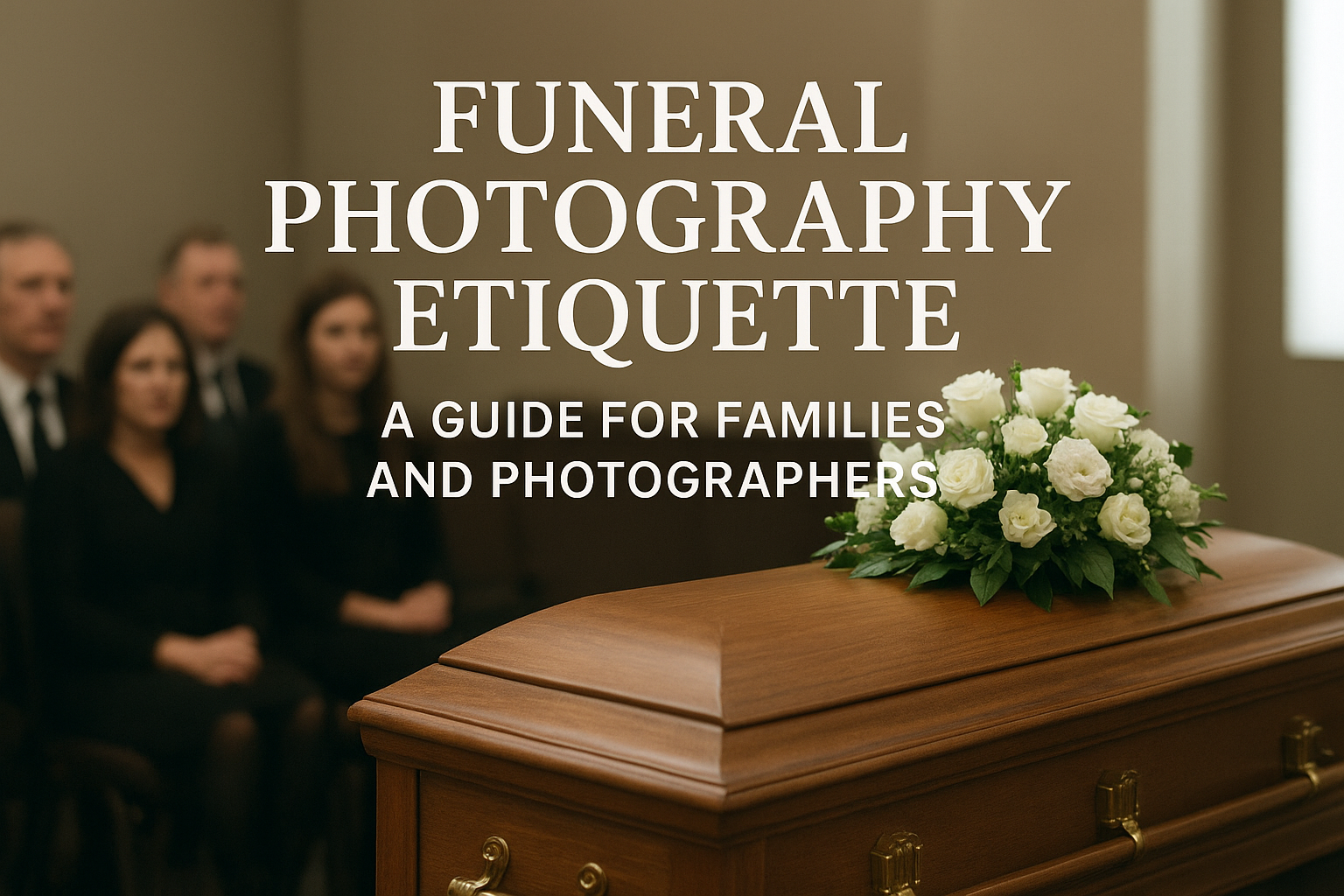

Funeral and memorial services are among the most solemn and emotionally charged events in our lives, requiring sensitivity, respect, and careful consideration from everyone involved. When photography enters this sacred space, the need for proper etiquette becomes even more critical. Whether you’re a family considering hiring a photographer to document a loved one’s funeral service, or a photographer being asked to provide this delicate service, understanding the unwritten rules and respectful practices is essential. Funeral photography etiquette isn’t just about technical skills or knowing where to stand—it’s about honoring the deceased, supporting grieving families, respecting cultural and religious traditions, and maintaining the dignity of the occasion above all else. Missteps in this sensitive environment can cause pain, offense, or lasting regret, while thoughtful, respectful photography can provide comfort and meaningful documentation. This comprehensive guide explores the essential etiquette guidelines for both families and photographers, ensuring that funeral photography is conducted with the reverence, discretion, and compassion that such occasions demand.
For Families: Making Informed Decisions About Funeral Photography
If you’re considering hiring a photographer for a funeral or memorial service, it’s important to approach this decision thoughtfully and communicate clearly with all involved parties. First and foremost, discuss the idea with immediate family members and key relatives before making arrangements—funeral photography can be a sensitive topic, and ensuring family consensus prevents conflicts or hurt feelings during an already difficult time. Some family members may find comfort in having the service documented, while others may feel it’s inappropriate or invasive, and these perspectives deserve respectful consideration. Once the family agrees, inform the funeral director or venue coordinator about your photography plans, as some religious institutions or funeral homes have specific policies about photography during services. Certain faiths or denominations may prohibit photography entirely, restrict it to certain areas, or require that it be conducted without flash or visible equipment. Always respect these guidelines without exception. When hiring a photographer, choose someone with specific experience in funeral photography rather than a general event photographer—this specialized work requires unique sensitivity and understanding. Discuss your expectations clearly: which parts of the service should be photographed, whether you want photos of the deceased (open casket services), which family members should be included, and any moments that should absolutely not be photographed. Be specific about your privacy preferences—do you want only family-focused images, or documentation of the entire gathering? Should the photographer avoid certain relatives due to family tensions? Clear communication prevents misunderstandings and ensures the photographer can work respectfully within your boundaries. Finally, inform attendees that a photographer will be present, either through the funeral program, a small notice at the venue, or announcements before the service begins. This courtesy allows guests who prefer not to be photographed to position themselves accordingly or express their wishes to the family.
For Photographers: Essential Professional Conduct and Discretion
Professional funeral photographers carry an enormous responsibility and must approach this work with the highest levels of respect, sensitivity, and ethical conduct. Your primary role is to be invisible—to document without disrupting, to observe without intruding, and to honor the occasion above all else. Dress in conservative, respectful attire appropriate to the cultural and religious context, typically dark, formal clothing that allows you to blend into the background. Arrive early to familiarize yourself with the venue, identify the best positions for unobtrusive shooting, and speak with the funeral director or officiant about any restrictions or guidelines. Always introduce yourself to the family beforehand if you haven’t already met, express your condolences, and confirm their expectations and any specific requests. During the service, silence all equipment—turn off camera beeping sounds, notification alerts, and anything else that might create noise. Use quiet shutter modes if your camera offers them, and position yourself in locations that don’t obstruct views or draw attention. Appropriate positions typically include the back or sides of the venue, never blocking the family’s view or standing in the center aisle during processionals. Move slowly and deliberately, avoiding sudden movements that distract from the service. Be extremely judicious with flash photography—in most cases, it should be avoided entirely during the actual service, as it’s disruptive and disrespectful. Instead, use fast lenses, higher ISO settings, and available light. If flash is absolutely necessary for certain pre-service or post-service photos, use it sparingly and discreetly with bounce or diffusion to minimize disturbance. Never photograph during the most sacred or intimate moments unless specifically requested by the family—extreme emotional displays, private family time with the deceased, or specific religious rituals may be inappropriate to document. When in doubt, err on the side of discretion and restraint. Your presence should never be felt by the mourners; if people are noticing you or your equipment, you’re being too intrusive.
Understanding Cultural, Religious, and Personal Boundaries
Funeral photography etiquette varies significantly across different cultures, religions, and personal beliefs, and understanding these differences is crucial for both families and photographers. In many Christian traditions, photography during funeral services is generally accepted, though some denominations prefer discretion and no flash during the actual ceremony. Catholic funerals may have specific restrictions about photographing certain parts of the Mass, and it’s essential to consult with the priest beforehand. In Islamic funeral traditions, photography is typically discouraged or prohibited entirely, as the focus should be on prayer and the deceased’s journey. The bodies of the deceased are considered sacred and should not be photographed, and the speed and simplicity of Islamic burials often make photography inappropriate. Jewish funerals similarly tend to discourage photography, particularly during the burial service, though practices vary among different Jewish communities. Hindu and Buddhist funeral rites have diverse practices depending on regional and cultural variations, but generally emphasize respect for the deceased and family wishes above documentation. Beyond religious considerations, cultural backgrounds significantly influence attitudes toward funeral photography. Some Asian cultures embrace comprehensive documentation of memorial services as part of honoring ancestors and maintaining family records, while other cultures view any photography as disrespectful or commercializing grief. Personal boundaries also matter enormously—even within accepting cultures and religions, individual families may have strong feelings about what should and shouldn’t be photographed. Always ask specifically about photographing the deceased in open-casket services, as this is particularly sensitive. Some families want this documented as a final visual memory, while others find it deeply inappropriate. Never assume; always ask and respect the answer. Similarly, be sensitive about photographing people in extreme grief—uncontrolled crying, collapse, or profound emotional moments may be too private to document, even if technically within your assignment. The guideline should always be: when in doubt, don’t photograph. You can’t un-take a photo that causes pain, but you can always explain that you chose discretion out of respect.
What to Photograph and What to Avoid
Understanding which elements and moments are appropriate to document helps both families set expectations and photographers work respectfully. Generally appropriate subjects include: the exterior of the venue showing its dignity and setting; floral arrangements and tributes which represent love and respect; memorial displays with photos, memorabilia, and personal items celebrating the deceased’s life; the gathering of attendees before and after the service showing community support; family members greeting and comforting each other (when not in extreme distress); the processional and recessional from respectful distances; eulogies and tributes from positions that don’t distract speakers or mourners; the guest book and memorial program as documentation; landscape or establishing shots of the cemetery or memorial location; and group family photos if requested, typically after the formal service concludes. These elements tell the story of how a life was honored without intruding on sacred or private moments. Elements to generally avoid or approach with extreme caution include: photographing the deceased without explicit family permission and clear guidelines; capturing people in moments of extreme emotional breakdown or private grief; shooting during the most sacred parts of religious ceremonies (communion, specific prayers, ritual moments); photographing children in distress; taking images during private family viewings unless specifically requested; documenting family conflicts or tensions that may arise; capturing anyone who has specifically requested not to be photographed; and using photography angles or techniques that sensationalize grief or loss. The distinction comes down to dignity—does this photograph honor the deceased and support the family, or does it exploit grief for dramatic imagery? Professional funeral photography should never prioritize artistic or dramatic shots over respect and appropriateness. If you’re unsure whether a moment should be photographed, look to the family’s reaction and the overall atmosphere. Some families want comprehensive documentation and will specifically request that you capture everything, while others want only selective, carefully chosen images. Your job as a photographer is to fulfill their wishes while maintaining ethical standards, and as a family, your job is to communicate those wishes clearly.
Post-Service Etiquette and Respectful Delivery
Funeral photography etiquette extends beyond the service itself into how images are handled, edited, and delivered. For photographers, the editing process requires special sensitivity—images should be processed to be respectful, tasteful, and appropriate for viewing during grief. This typically means more conservative editing than other photography genres: natural colors rather than dramatic filters, subtle retouching that maintains dignity without altering reality, and careful selection to include only images that honor the occasion. Remove any unflattering photos, accidental shots, or images that might cause pain rather than comfort. Consider the audience for these photographs—they may be viewed by elderly relatives, young children, or people in fragile emotional states, so err toward restraint and good taste. Never post funeral photographs on social media, your website portfolio, or any public platform without explicit, written permission from the family. This is a non-negotiable rule of funeral photography ethics. These images are deeply private, and sharing them publicly without permission is a serious violation of trust and privacy. When delivering images, do so with sensitivity to the family’s timeline and emotional state. Some families want photos immediately to share with distant relatives or include in memorial materials, while others need weeks or months before they’re ready to view them. Communicate about timeline expectations and be flexible. Deliver images through private, secure galleries with password protection, and consider providing options for family members to download only the images they want rather than being confronted with the entire collection at once. Include a compassionate message acknowledging the difficulty of the occasion and expressing condolences. For families receiving funeral photographs, take your time viewing them—there’s no rush, and it’s perfectly normal to need emotional preparation before looking at images from such a difficult day. Share photos selectively and privately, respecting that not everyone may want to see them or be reminded of the service. When appropriate, these images can be incorporated into memorial albums, shared with distant family, or kept as private family records. Most importantly, both photographers and families should remember that funeral photography serves one purpose: to honor a life, preserve a loving tribute, and provide comfort to those who grieve. When conducted with proper etiquette, sensitivity, and respect, funeral photography fulfills this purpose with dignity and compassion.
Uncleshoot Photography understands the sensitivity and responsibility of funeral photography. We approach every memorial service with the utmost respect, discretion, and compassion, honoring your loved one’s memory and your family’s wishes.


Leave a Reply
You must be logged in to post a comment.