
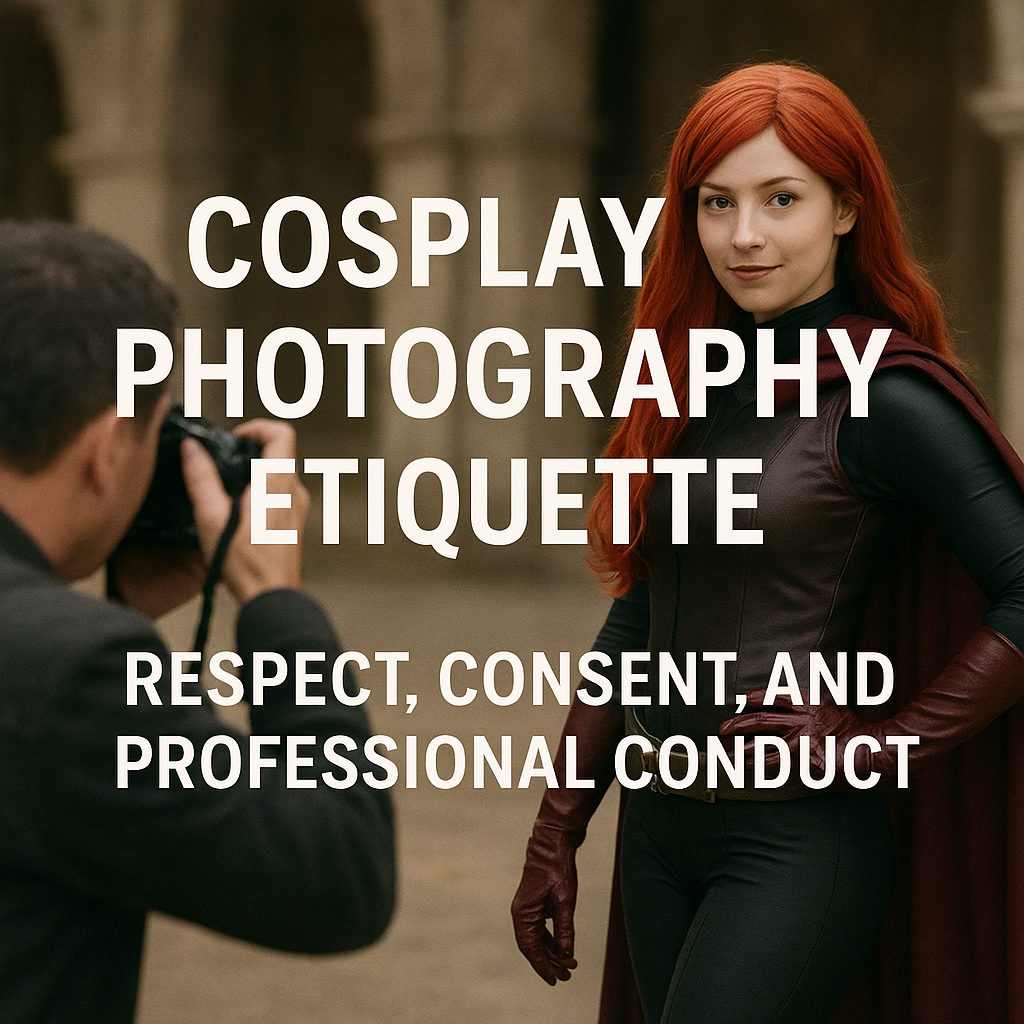

The cosplay community is built on mutual respect, creative passion, and shared love of characters and fandoms, but like any community, it operates within a framework of unwritten rules and expected behaviors that everyone must understand and follow. For photographers working in cosplay spaces—whether at conventions, photoshoots, or events—understanding and practicing proper etiquette isn’t just about being polite; it’s about respecting the people behind the costumes, acknowledging the tremendous effort that goes into cosplay, and contributing positively to a community that thrives on collaboration and mutual support. Poor etiquette from photographers can make cosplayers feel uncomfortable, disrespected, or even unsafe, ultimately harming both individual relationships and the broader community culture. Conversely, photographers who demonstrate respect, professionalism, and genuine appreciation for cosplay become valued community members who receive opportunities for amazing collaborations, referrals, and the satisfaction of supporting artists and creators. Whether you’re a professional photographer charging for services, an enthusiast building your portfolio, or simply someone who loves capturing cosplay at conventions, understanding the ethical framework and behavioral expectations of cosplay photography is absolutely essential. This comprehensive guide explores every aspect of cosplay photography etiquette, from the fundamental principle of consent through crediting practices, professional conduct, safety considerations, and building positive relationships within the community. These aren’t arbitrary rules—they’re the foundation of respectful interaction that protects cosplayers, supports the community, and allows photography to remain a welcome and celebrated part of cosplay culture.
The Foundation: Cosplay Is NOT Consent
The single most important principle in cosplay photography etiquette is understanding that “cosplay is not consent”—a phrase that has become the rallying cry of the community in response to harassment, inappropriate behavior, and unwanted photography. This principle means that wearing a cosplay costume, regardless of how revealing, fantasy-based, or character-accurate it may be, does not constitute permission to photograph someone, touch them, make inappropriate comments, or treat them as anything other than a person deserving of respect and agency. Before taking any photograph of a cosplayer, you must ask for and receive explicit permission. This applies in every situation: convention hallways, outdoor shoots, public spaces, or private events. The approach is simple and respectful: make eye contact, smile, and clearly ask “Excuse me, may I take your photo?” or “I love your cosplay! Would you mind if I took some pictures?” Wait for a clear affirmative response before raising your camera. Acceptable responses include “Yes, of course!” “Sure!” or “Give me a second to get into pose”—these are clear consent. If someone says “No,” “Not right now,” “I’m on my way somewhere,” or appears hesitant, accept this gracefully without argument, pressure, or guilt-tripping. A simple “No problem, thanks anyway!” or “Maybe later then, enjoy the convention!” maintains positive interaction. Never take photos of cosplayers without asking first, even if they’re posing for other photographers—each photographer must obtain individual consent. Never photograph someone who appears uncomfortable, intoxicated, or unable to give informed consent. Never take “creep shots” or photographs that focus inappropriately on body parts rather than the costume as a whole—this is harassment, full stop, and has no place in the community. If a cosplayer is adjusting their costume, eating, resting, or clearly taking a break, respect their privacy and don’t approach for photos unless they explicitly invite photography. Parents photographing children in cosplay should ask the child’s permission in addition to having parental consent, teaching young cosplayers that they have agency over their image. Consent extends beyond the initial photo to usage—just because someone allowed you to photograph them doesn’t mean you have unlimited rights to use those images. We’ll address usage and sharing etiquette in detail later, but understand that consent is ongoing and can be withdrawn. If a cosplayer later asks you not to post photos or to remove already-posted images, honor this request immediately and without complaint. They have the right to control their image regardless of previous agreements.
Proper Approach and Respectful Communication
How you approach and interact with cosplayers determines whether the photography experience is positive or uncomfortable, and your communication style sets the tone for the entire interaction. When approaching a cosplayer for photos, be polite, clear, and respectful of their time and space. Wait for an appropriate moment rather than interrupting conversations, meals, or obvious breaks. Approach from the front where they can see you rather than surprising them from behind. Make your request clearly and directly: “Hi! Your [character name] cosplay is amazing! Would you be willing to let me take a few photos?” This approach acknowledges the character and costume (showing you recognize their work), makes a clear request, and respects their right to decline. If they agree, ask if they have preferred poses or if there are specific aspects of the costume they’d like highlighted. Many cosplayers have practiced signature character poses and will appreciate you asking rather than assuming. Communicate clearly during the shoot: “Could you turn slightly to the left?” “That pose is perfect, hold that!” “Let me get a full-body shot and then a closer portrait.” This direction helps them understand what you’re capturing and participate actively in creating good images. Show them preview images on your LCD screen if they’re interested—many cosplayers appreciate seeing how the photos look, and this builds trust and collaboration. However, don’t monopolize their time, especially at conventions where other photographers may be waiting. A typical convention hallway shoot should take 1-3 minutes maximum: ask permission, take 5-10 shots from different angles, show a preview if requested, thank them, and exchange contact information for photo sharing. If you want extended shooting time for a more elaborate session, politely ask if they’d be interested in scheduling a proper photoshoot: “I’d love to do a longer session with better backgrounds and lighting. Would you be interested in setting up a shoot sometime? Here’s my card.” This respects their current time while opening the door for future collaboration. Never touch a cosplayer or their costume without explicit permission. If something needs adjustment—a strap is twisted, a prop is positioned awkwardly, hair needs moving—point it out verbally and let them fix it themselves: “Your sword strap is showing on your shoulder, do you want to adjust it?” If physical adjustment is absolutely necessary, ask first: “Your cape is caught on your armor—may I fix it?” and wait for clear permission. This applies to posing as well—demonstrate poses yourself or use verbal direction rather than physically positioning someone’s body. Be aware of personal space and maintain appropriate distance during interactions.
Understanding Boundaries and Reading Social Cues
Beyond explicit consent and polite communication, skilled cosplay photographers develop the ability to read subtle social cues and understand boundaries that may not be explicitly stated. Some cosplayers are extroverted and love extensive interaction and photography, while others are more reserved or may be experiencing social exhaustion (especially late in a long convention day). Pay attention to body language and energy levels: if someone agrees to photos but seems tired, uncomfortable, or distracted, keep the session brief and efficient. If they’re enthusiastically engaging, showing you costume details, and chatting about the character, you can take a bit more time and capture more variety. Respect stated boundaries absolutely—if a cosplayer says “Please don’t photograph from this angle” or “I’d prefer no close-ups,” honor these requests without questioning or arguing. They may have costume construction issues they’re self-conscious about, or personal comfort boundaries that are none of your concern. Never ask cosplayers to pose in ways that make them uncomfortable, particularly poses that are more revealing, suggestive, or sexualized than the character canonically appears. Even if the character wears a revealing costume, the cosplayer decides what poses feel comfortable to them. Phrases like “Can you bend over a bit?” or “Could you push your chest out more?” are inappropriate and make photographers look predatory. If you’re unsure whether a pose request is appropriate, don’t make it. Understand that cosplayers may have different comfort levels in different contexts—someone might be fine with dramatic action poses at an outdoor photoshoot but prefer simpler standing poses in a crowded convention hallway. Context matters, and checking in (“Are you comfortable with [specific pose]?”) shows respect. For cosplayers portraying characters of different genders than their own (crossplay or gender-bent versions), use the pronouns the cosplayer prefers or default to they/them if unsure, never make comments about their body or how it does/doesn’t match the character, and treat them with exactly the same respect you’d show any other cosplayer. Age considerations are important—when photographing minors in cosplay, be especially professional and appropriate. Keep interactions brief and public, never ask for private shoots or individual contact information, include parents in conversations when possible, and be aware that photographing children requires higher standards of appropriate behavior. If you notice another photographer behaving inappropriately toward a cosplayer—taking photos without consent, making uncomfortable comments, violating boundaries—consider intervening if safe to do so or alerting convention staff. Community members protecting each other creates a safer environment for everyone.
Credit, Tagging, and Photo Sharing Etiquette
How you share and credit cosplay photos after the shoot is just as important as your behavior during the photography session, and the cosplay community has strong expectations around attribution and recognition. The fundamental rule is simple: always credit the cosplayer when sharing their images. This means tagging their social media handles, including their name or cosplay page in the caption, and making it clear who is in the photograph. The typical format is: “[Character name] from [Series/Game] – Cosplayer: @[their handle] – Photo by @[your handle].” This provides complete attribution and allows viewers to find both the cosplayer and photographer. When posting to Instagram, Facebook, or other platforms with tagging capabilities, tag the cosplayer directly in the photo (not just the caption) as this ensures they’re notified and the image appears in their tagged photos. Many cosplayers want to review and approve images before public posting, especially for professional photoshoots as opposed to quick convention shots. Establish expectations during or immediately after the shoot: “I’ll be posting some of these photos in the next few days, what’s your Instagram handle?” For more formal shoots, discuss approval: “Would you like to review the edited photos before I post them?” Some cosplayers prefer this, others trust your judgment—asking shows respect. Never claim costume creation credit or imply that you designed or made the costume unless you actually did—photographers photograph cosplay, they don’t create it (unless they also happen to be the costumer). The caption should make clear the division of creative labor. If you edit photos extensively with special effects, compositing, or dramatic changes, some photographers note this: “Photo and editing by [you] – Cosplay by [them].” When sharing in cosplay groups or forums, follow the specific group rules about crediting and attribution—some communities require specific formatting or have rules against posting photos of others without their explicit permission to share in that space. If a cosplayer shares your photo and credits you, engage positively—thank them, share their post, and continue building that relationship. Do not re-watermark or crop out a cosplayer’s watermark if they’ve added one to images you’ve given them—they have every right to protect images of themselves. Conversely, watermarking your images protects your work, but place watermarks thoughtfully where they don’t obscure the cosplayer or costume details. Small, unobtrusive watermarks in corners are standard and accepted. For images you’re particularly proud of or that required significant work, more prominent watermarking is acceptable, but avoid watermarks that dominate the image and detract from appreciating the cosplay itself.
Professional Conduct, Compensation, and Community Building
The financial and professional aspects of cosplay photography require clear communication, fair practices, and understanding of community norms to maintain positive relationships and ethical business practices. In the cosplay community, different arrangements exist for photography services, and being transparent about expectations prevents misunderstandings. TFP (Time For Prints) or TFCD (Time For CD/Digital) arrangements are collaborations where the photographer and cosplayer exchange services without money changing hands—the photographer gains portfolio images and the cosplayer receives professional photos, with both parties free to use the images for self-promotion with proper credit. TFP is common for photographers building portfolios, for mutual fans collaborating on passion projects, or when both parties benefit equally from the collaboration. Clearly establish TFP terms: how many edited images will be delivered, what the timeline is, and how each party can use the images. Paid sessions involve the cosplayer (or event organizer) paying the photographer for their time and services. Be clear about your rates, what’s included (shooting time, number of edited images, usage rights, travel fees), payment terms, and deliverables. For convention hallway photography—quick shots taken in public convention spaces—the community norm is that these are free and both photographer and cosplayer can share the resulting images with credit. Charging for hallway shots or requiring payment for photos to be released is generally frowned upon in the community, though selling prints at your booth or through your website is acceptable business practice. When money is involved, professionalism increases in importance: provide contracts or clear written agreements, meet deadlines for photo delivery, communicate promptly and professionally, and deliver quality work worthy of the compensation. Never promise paid opportunities in exchange for free modeling or inappropriate requests—this is predatory behavior disguised as professional opportunity. Build genuine community relationships rather than treating cosplayers as content sources for your benefit. Engage authentically with the community: attend panels and events beyond just photography opportunities, appreciate and share others’ work, participate in cosplay groups and discussions, offer advice or help when appropriate, and celebrate the artistry of costume creation, not just your own photography. Support cosplayers beyond just photographing them—promote their work, share their cosplay progress posts, attend their panels or performances if they’re guests, and recognize that cosplay exists independently of and before photography enters the picture. Collaboration should be mutually beneficial and respectful, with both photographer and cosplayer feeling valued and appreciated. Consider giving back to the community: offer educational workshops on being photographed well, provide free headshots for cosplayers needing profile images, or volunteer photography services for charity cosplay events. Building reputation as someone who respects, supports, and contributes to the cosplay community creates opportunities far beyond what transactional relationships provide, and ensures that your presence as a photographer is welcomed and valued rather than merely tolerated.
Uncleshoot Photography is committed to respectful, professional cosplay photography that honors both the artistry of cosplay and the people who create it. Based in Bekasi, we work with cosplayers throughout Indonesia, maintaining the highest standards of conduct, communication, and community engagement. Whether you’re a cosplayer seeking professional photography or planning a cosplay event, we bring technical skill, creative vision, and genuine respect for the cosplay community.

Leave a Reply
You must be logged in to post a comment.