
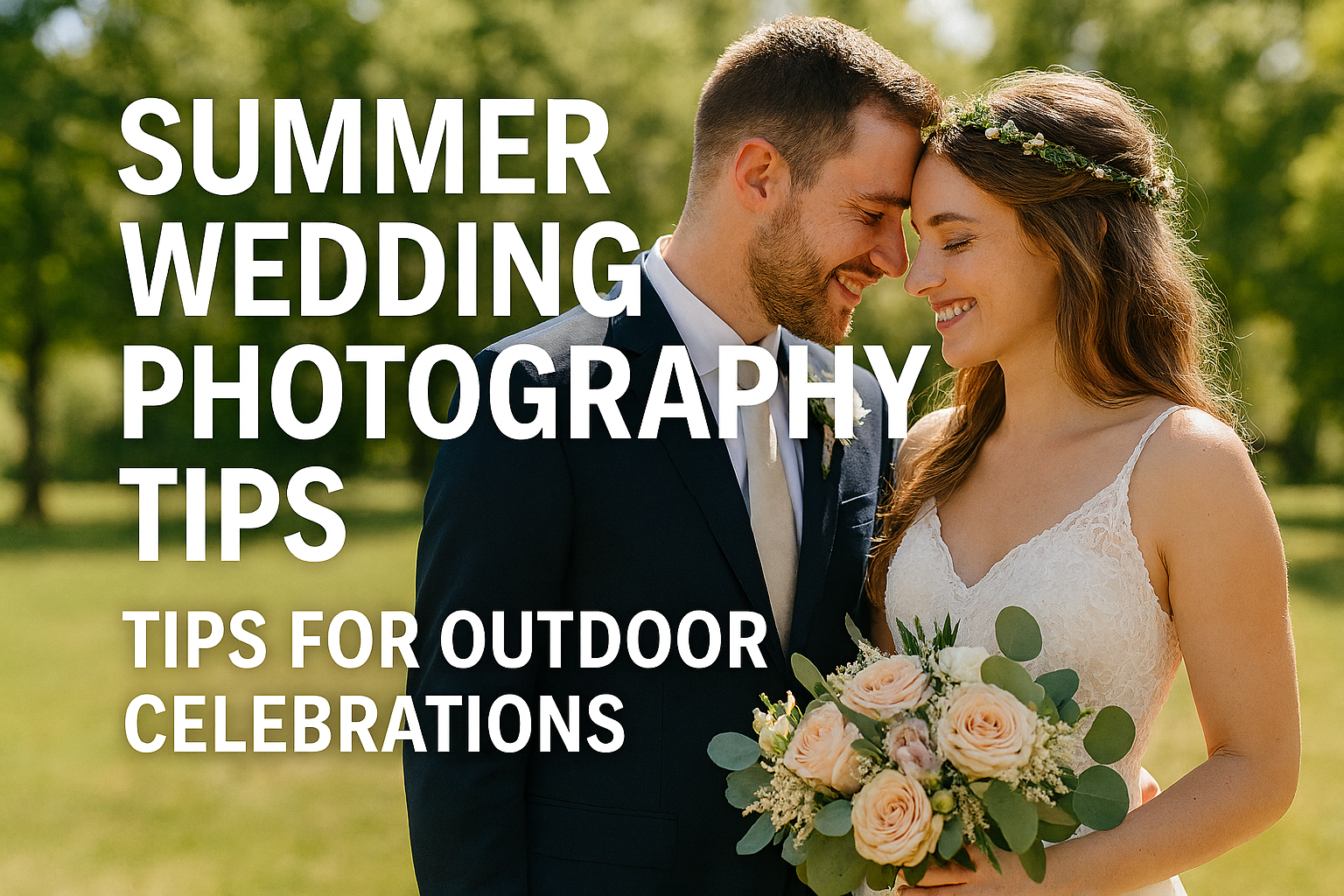

Summer weddings offer the promise of beautiful weather, lush greenery, colorful blooms, and the opportunity to celebrate under open skies. Outdoor ceremonies and receptions have become increasingly popular, allowing couples to exchange vows in gardens, beaches, vineyards, or picturesque countryside settings. However, while summer provides stunning backdrops and extended daylight hours, it also presents unique photography challenges that require careful planning and expertise. Harsh midday sun, extreme heat, unpredictable weather, and bright, contrasty lighting can make or break your wedding photos if not properly managed. Whether you’re a couple planning your summer outdoor wedding or a photographer preparing to shoot one, understanding how to work with summer conditions is essential for capturing beautiful, timeless images. In this comprehensive guide, we’ll explore essential tips and strategies for summer wedding photography, from managing challenging lighting to keeping everyone comfortable in the heat, ensuring your outdoor celebration is documented beautifully regardless of what the summer season brings.
Master the Challenging Summer Light
The biggest challenge of summer wedding photography is managing the intense, harsh sunlight that peaks during typical ceremony hours. Bright overhead sun creates unflattering shadows under eyes, noses, and chins, causes subjects to squint, and produces extreme contrast between highlights and shadows that cameras struggle to handle. The solution lies in understanding and planning around light patterns throughout the day. Golden hour—the hour after sunrise and the hour before sunset—provides the most beautiful, flattering light for photography, with warm tones and soft, directional illumination. Whenever possible, schedule your couple portraits, bridal party photos, and romantic shots during these magical times. For ceremonies scheduled during harsh midday hours (11 AM to 3 PM), scout the venue beforehand to identify areas of open shade: large trees, building overhangs, pergolas, or architectural features that block direct sunlight while still providing ambient light. Position ceremonies so the couple and guests aren’t facing directly into the sun, which causes squinting and discomfort. If shooting in direct sun is unavoidable, use fill flash or reflectors to soften harsh shadows on faces—this technique, called “overpowering the sun,” requires off-camera lighting but produces professional results even in challenging conditions. Embrace backlighting creatively: position couples with the sun behind them, expose for their faces (which will be in shade), and you’ll create a beautiful rim light effect with soft, glowing results. Pay attention to how quickly light changes in summer—what works at 4 PM may look completely different by 5 PM, so stay flexible and be ready to adjust. Understanding sun position, using shade strategically, and having lighting equipment as backup ensures you can create beautiful images throughout the entire wedding day, regardless of when events are scheduled.
Plan for Heat, Hydration, and Guest Comfort
Summer heat affects everyone at outdoor weddings, from the bride and groom to guests and photographers, and managing comfort is crucial for maintaining energy and capturing genuine, happy expressions. As a photographer, arrive hydrated and bring plenty of water—you’ll be carrying heavy equipment and moving constantly in the heat. Dress appropriately in light, breathable fabrics while maintaining professional appearance; consider moisture-wicking materials designed for hot weather. For couples and wedding parties, schedule strategic breaks in air-conditioned spaces, especially between ceremony and reception or during long portrait sessions. When planning the photography timeline, be realistic about heat limitations—a 90-minute outdoor portrait session in 95°F weather will result in exhausted, uncomfortable subjects with wilted hair, smudged makeup, and forced smiles. Instead, plan shorter, more focused sessions with breaks, or split portraits into multiple shorter sessions throughout the day. Communicate with hair and makeup artists about heat-resistant products and techniques that withstand outdoor conditions and photography. Suggest touch-up stations with blotting papers, powder, and refreshment for the wedding party. For outdoor ceremonies, recommend providing guests with fans, parasols, cold water, or shaded seating areas—comfortable, happy guests photograph better than miserable, overheated ones. Time outdoor events thoughtfully: late afternoon or early evening ceremonies are not only more comfortable but also offer better lighting. If a midday ceremony is necessary, keep it brief and move guests to shaded or air-conditioned spaces as quickly as possible. As a photographer, work efficiently during the hottest parts of the day, having shot lists prepared and knowing exactly what you need so you’re not keeping people in the heat longer than necessary. Monitor your subjects for signs of heat exhaustion and be prepared to pause if needed—no photo is worth anyone’s health. With thoughtful planning around temperature and comfort, you’ll ensure everyone looks and feels their best, resulting in natural, joyful photographs rather than images of uncomfortable, sweaty subjects counting the minutes until they can escape the heat.
Prepare for Weather Unpredictability and Have Backup Plans
Summer weather can be beautifully sunny one moment and dramatically stormy the next, making backup plans essential for outdoor summer weddings. Always scout for indoor or covered alternatives at the venue before the wedding day—know exactly where the ceremony would move if rain threatens, and how that affects your photography approach and lighting needs. Check detailed weather forecasts in the days leading up to the wedding, but understand that summer weather, especially afternoon thunderstorms, can be unpredictable. Communicate with couples about contingency plans and decision-making timelines—when will the call be made to move indoors, and who makes that decision? As a photographer, prepare for multiple scenarios: bring lighting equipment that works both indoors and outdoors, scout both potential ceremony locations, and have shot lists that work for either setting. If weather looks questionable, discuss timeline flexibility—perhaps moving couple portraits to a time when conditions are better, or being ready to dash outside during brief clear moments between showers. Wind is another summer consideration often overlooked: strong breezes can wreak havoc on veils, dresses, hair, and decorations. Bring clips, bobby pins, and be ready to work quickly during calmer moments. Have a plan for protecting your equipment from sudden weather changes—rain covers should always be in your bag, even on perfectly clear mornings. Embrace unexpected weather creatively when safe to do so: dramatic storm clouds can create stunning backdrops, light rain can add romantic atmosphere, and breaks in clouds after storms often produce incredible light. Some of the most memorable wedding photos come from slightly imperfect weather conditions that created unique moments. The key is remaining calm, flexible, and solution-oriented when weather doesn’t cooperate—couples take their cue from vendors, so if you stay positive and adaptable, they will too.
Utilize Natural Summer Elements for Stunning Compositions
Summer’s abundance of natural beauty provides incredible opportunities for creative wedding photography if you know how to use it effectively. Lush greenery creates gorgeous, natural backdrops that require minimal styling—position couples among trees, gardens, or fields for organic, romantic settings. Flowers are at their peak in summer: incorporate blooming gardens, wildflower meadows, or floral installations into compositions, using selective focus to blur colorful backgrounds into beautiful bokeh. Golden fields of wheat or tall grasses create dreamy, ethereal settings perfect for sunset portraits—the warm tones complement wedding attire beautifully. Water features become even more appealing in summer: beaches, lakes, fountains, or pools add reflective elements and cooling visual aesthetics to images. Use the extended daylight of summer to your advantage—longer days mean more time for outdoor photography, with usable light lasting until 8 or 9 PM in many locations. This allows for romantic “blue hour” shots after sunset, when the sky turns deep blue and artificial lights create magical ambiance. Capture summer-specific details: refreshing drinks with fruit and herbs, fans as favors, light, flowing fabrics moving in warm breezes, bare feet in grass, or guests enjoying lawn games. These elements tell the story of a summer celebration and add seasonal context to the wedding album. Use natural framing: archways of flowering vines, doorways, tree branches, or architectural elements that incorporate the outdoor setting into your composition. Experiment with depth and layers—summer’s abundant foliage allows you to shoot through leaves and branches in the foreground, creating depth and a sense of being immersed in nature. Pay attention to summer colors: vibrant greens, bright florals, clear blue skies, and golden sunlight create a naturally saturated, cheerful palette that defines summer wedding aesthetics. Wide-angle shots that show the full outdoor setting help tell the story of why the couple chose an outdoor summer celebration, while intimate close-ups capture emotion and detail against softly blurred natural backgrounds.
Technical Considerations and Equipment for Summer Outdoor Weddings
Shooting summer outdoor weddings requires specific technical approaches and equipment to handle bright conditions and outdoor environments effectively. Bring lens hoods for every lens and use them consistently—they reduce flare and improve contrast when shooting in bright conditions. Consider investing in circular polarizing filters, which reduce glare from reflective surfaces like water or glass, deepen blue skies, and enhance color saturation—invaluable for outdoor summer photography. Your camera’s dynamic range will be tested by summer’s extreme contrast between bright skies and shaded areas; shoot in RAW format to maximize your ability to recover details in post-processing. Expose for highlights (the brightest areas) and recover shadows in editing rather than the reverse, as blown-out highlights cannot be recovered. Use your camera’s histogram religiously rather than relying on the LCD screen, which is difficult to see accurately in bright sunlight and can be misleading. Consider bringing a loupe or LCD hood that shields your screen for better visibility when reviewing images outdoors. Fast shutter speeds are your friend in bright conditions—you’ll often shoot at 1/500s, 1/1000s, or faster, which also helps freeze movement from breezes affecting veils and dresses. Bring extra batteries, as heat can drain them faster than normal, and have backup camera bodies ready in case equipment overheats or fails. Off-camera lighting equipment becomes essential for professional summer wedding photography: portable strobes or speedlights with modifiers allow you to fill harsh shadows, create flattering light regardless of sun position, and shoot stunning backlit images. Reflectors (silver for adding punch, gold for warm fill, white for subtle bounce) are lightweight, affordable tools that dramatically improve outdoor portraits. Bring microfiber cloths to clean lenses frequently—dust, pollen, and fingerprints are more problematic in outdoor settings. Protect your equipment from heat by keeping it in shaded camera bags when not in use, never leaving gear in hot cars, and allowing cameras to acclimate gradually to temperature changes to prevent condensation issues. Memory cards should be high-speed and ample—you’ll likely shoot more at outdoor weddings with beautiful, varied settings that invite experimentation. Finally, bring a small emergency kit: sunscreen, bug spray, blister treatment, safety pins, and any comfort items that help you work effectively in outdoor conditions for extended periods. With proper equipment, technical knowledge, and preparation for summer’s specific challenges, you’ll be ready to capture stunning outdoor wedding photography that showcases both the beauty of the celebration and the magic of the summer season.
Planning a summer outdoor wedding in Bekasi or surrounding areas? Uncleshoot Photography specializes in outdoor celebration photography, with expertise in managing summer lighting, weather challenges, and capturing the natural beauty of your special day.


Leave a Reply
You must be logged in to post a comment.